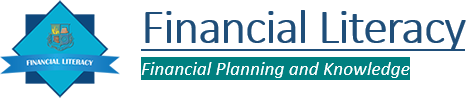
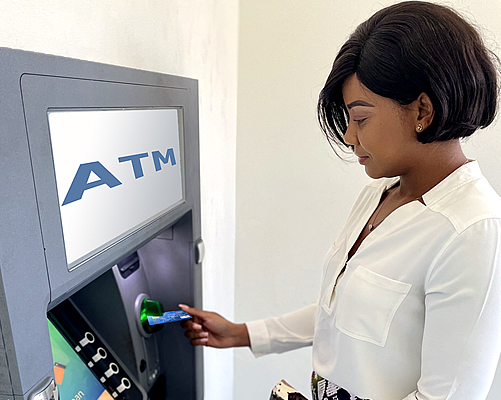
The Automatic Teller Machine (ATM) allows you to deposit and withdraw money using the machine. Most Banks in Guyana operate ATMs. If you have a savings account with these banks you are offered this service. Once you accept this service you are issued with a debit card by the bank which you can use to deposit money into and withdraw money from your bank account using the ATM. You are also issued with a unique pin number which should be known only to you.
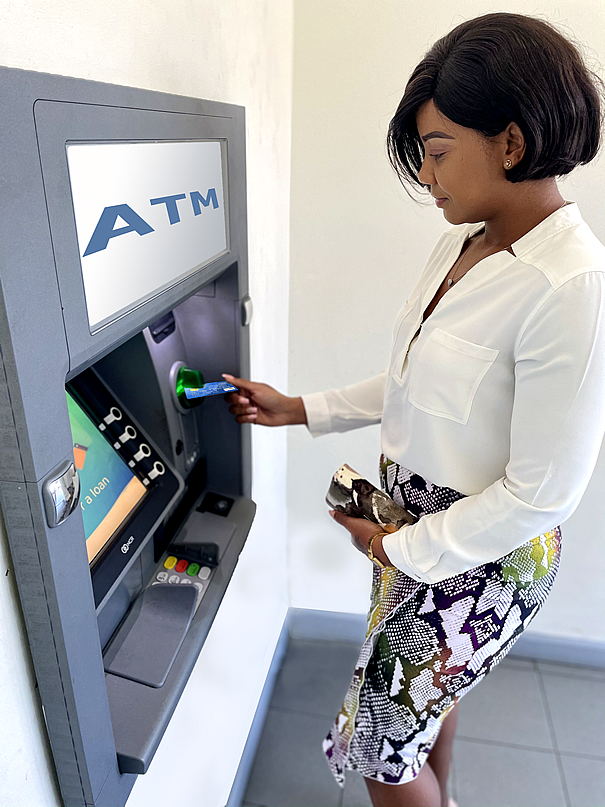
If someone knows your pin number and has access to your debit card, then they can withdraw money from your account.
Depositing at the ATM:
-
Envelopes are provided at the ATM to put in the money/cheque(s) to be deposited.
-
You insert the card and punch in your pin number.
-
The machine will guide you on the process for depositing your funds.
-
A receipt is usually issued by the machine at the end of the transaction.
The funds may not be credited to your account until the next day, since the bank will need to count the money in the envelope to ensure it is accurate. Cheques deposited may take up to three days before the funds can become available.
Withdrawing from the ATM:
-
You insert the card and punch in the pin number.
-
The machine will guide you through the process for withdrawing cash.
-
At the end of the transaction a receipt is issued showing the amount withdrawn and the balance in your account. Some machines only issue the receipt if you request it.
There is a limited amount that can be withdrawn per transaction per day. The amount varies among the banks.
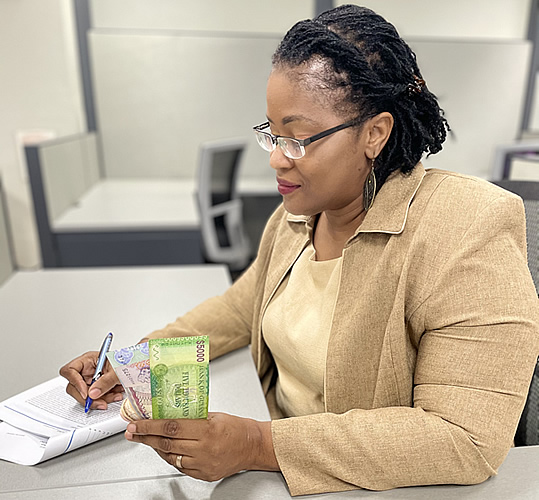
What To Do When You Receive Money?
Let’s say that you have a job or any other source of income. For example, your friend or family member who lives abroad sends you $1,000 dollars.
You can either choose to:
Bank it
If you do:
- Your money will be safer.
- You will be able to earn interest.
- You could have access to other types of accounts other than your savings account.
- You will create a relationship with the bank, which could give you access to other banking services.
- You have a record of your savings and withdrawals.
- You can pay your utility bills such as water, telephone and electricity for a small fee.
Not Bank it
And if you choose to, you will always have cash with you, however:
- You will tend to spend more as your cash is readily accessible.
- You will be more likely to loose your cash.
- You will forego the opportunity to earn interest.
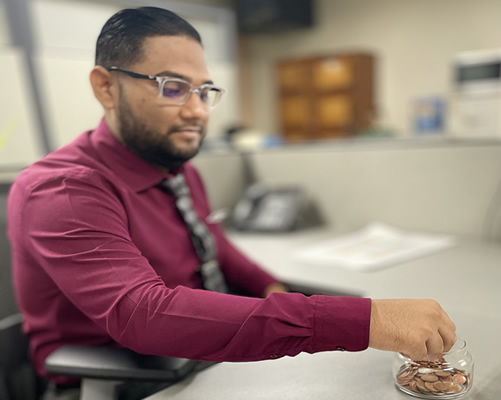
Why Should You Save?
Saving is important. The list of reasons should motivate one to start saving. Savings should be stored in a safe place, preferably a bank or saving institution which will allow you to: Earn interest and help your money grow; Reduce the temptation of spending irresponsibly; Make safer payments that are less time consuming and less expensive; Establish a relationship with the Bank; Enjoy services offered by banks such as access to loans; Have enough funds to cover living expenses in the event of a disaster or sickness; Pay for university/college expenses, wedding, buying a home and for a comfortable retirement, among others. Develop a habit of saving.
Saving is important. The list of reasons should motivate one to start saving. Savings should be stored in a safe place, preferably a bank or saving institution which will allow you to:
- Earn interest and help your money grow;
- Reduce the temptation of spending irresponsibly;
- Make safer payments that are less time consuming and less expensive;
- Establish a relationship with the Bank;
- Enjoy services offered by banks such as access to loans;
- Have enough funds to cover living expenses in the event of a disaster or sickness;
- Pay for university/college expenses, weddings, buying a home and for a comfortable retirement, among others.
Develop a habit of saving.